Why Your Team Is Paying for ChatGPT, Claude, AND Gemini — When One Platform Replaces All Three
July 28, 2026 (3m ago)
Open the expense report at almost any engineering org this year and you'll find the same pattern: a ChatGPT Enterprise line, a Claude line, and a Gemini or Workspace line, often for overlapping headcount. Nobody planned this. It happened because Alice on the frontend team swears by Claude for code review, Bob in support needs ChatGPT's Custom GPTs, and the whole company already pays for Google Workspace, so Gemini rides along for free-ish. Three invoices, one job.
None of the three is wrong on the merits. GPT, Claude, and Gemini genuinely differ — on coding, on long-context reasoning, on multimodal work — and the person who reaches for a specific one usually has a real reason. The problem isn't the models. It's that each model arrives welded to its own product: its own chat UI, its own admin console, its own contract, its own data-retention terms. You didn't want three products. You wanted three models. You got billed for three products.
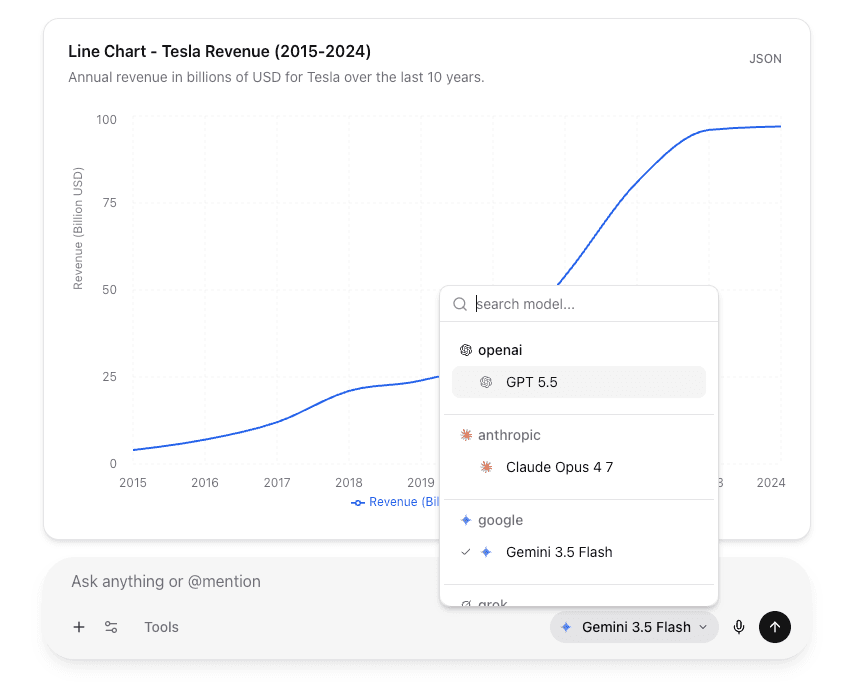
The Math Nobody Signed Off On
Take the three line items one at a time.
ChatGPT Enterprise. Recent procurement reporting puts it at roughly $45–$75 per seat per month — call it $60 on average — with a 150-seat minimum and annual prepay, so the realistic entry point is around $108,000 a year before anyone's typed a prompt (Coworker AI). If your engineering org is 40 people, you're either buying 150 seats you don't need or dropping to a lower tier that strips the admin controls you bought Enterprise for.
Claude. Anthropic's enterprise tier has shifted toward a roughly $20/seat base plus usage-based token billing, with a friendlier 20-seat minimum (tl;dv). More humane on the floor, but the seat fee and the token bill are two separate numbers — the price on the pricing page is never the price on the invoice.
Gemini. It mostly arrived folded into Google Workspace Business tiers running about $7–$22/seat, so it looks "free" right up until someone asks why the AI line item and the Workspace line item overlap on the same people.
ChatGPT Enterprise
150-seat minimum
≈ $108k/yr to even start
SCIM and admin controls are gated to this tier, and the 150-seat floor means a 40-person team overbuys by 110 seats.
Claude Enterprise
20-seat minimum
seat fee AND token bill
The seat price and the metered token bill are two separate numbers — the price on the pricing page is never the invoice.
Gemini (via Workspace)
bundled into Workspace
overlaps your Workspace bill
Looks "free" because it rides your existing Workspace subscription — until you notice both line items cover the same people.
Wirebase
no seat minimum
+ providers' metered API rates
Managed cloud on every plan: free for up to 3 members, then $10/member on Team. Enterprise adds a self-hosted deployment in your own infrastructure, on request. You bring your own keys and pay each provider directly, with no markup on usage.
Stack all three and you're paying three vendors to solve one problem: giving your team a place to talk to a model. And that's just the visible spend. The invisible line item is shadow AI — the engineers who gave up waiting for procurement and expensed a personal ChatGPT Plus account, or worse, didn't expense it and are pasting production code into a consumer app with consumer data-retention terms. Every one of those is a model your company is effectively paying for a fourth time, with none of the governance.
The instinct at this point is to run a bake-off and standardize on one vendor. That's the wrong fight. The reason you ended up with three subscriptions is that no single model wins every task — and forcing the whole org onto one vendor's chat app just pushes people back to personal accounts, which is worse for cost and worse for data governance than the sprawl you started with. Standardizing on one vendor doesn't solve the problem. It relocates it.
The Fix Is Separating "Which Model" from "Which Product"
The mistake was never picking the wrong model — it's making the "which model" call at procurement time, locked in for a year, instead of per-message. Separate "which model" from "which product" and the sprawl unwinds on its own.
Here's the reframe. The "which model" decision is a good decision to make per-task, by the person doing the work. The "which product" decision is a bad decision to make three times. So make the product decision once — pick one platform — and let the model decision stay fluid underneath it.
That's the entire design premise of Wirebase: one chat interface, and OpenAI, Anthropic, Google, xAI, Groq, Ollama, and OpenRouter all sit behind it as providers, not competing apps. An org admin adds an API key for each vendor the team actually wants — once, for the whole organization — and from that point every enabled model shows up in the same dropdown, mid-conversation, for every user.
Three products
ChatGPT
own login · console · bill
Claude
own login · console · bill
Gemini
own login · console · bill
One platform
Wirebase
one login · one console · one bill
The keys go in one place. Under the org's API Keys admin page, each provider is a row you configure once — and the list is a lot longer than three:
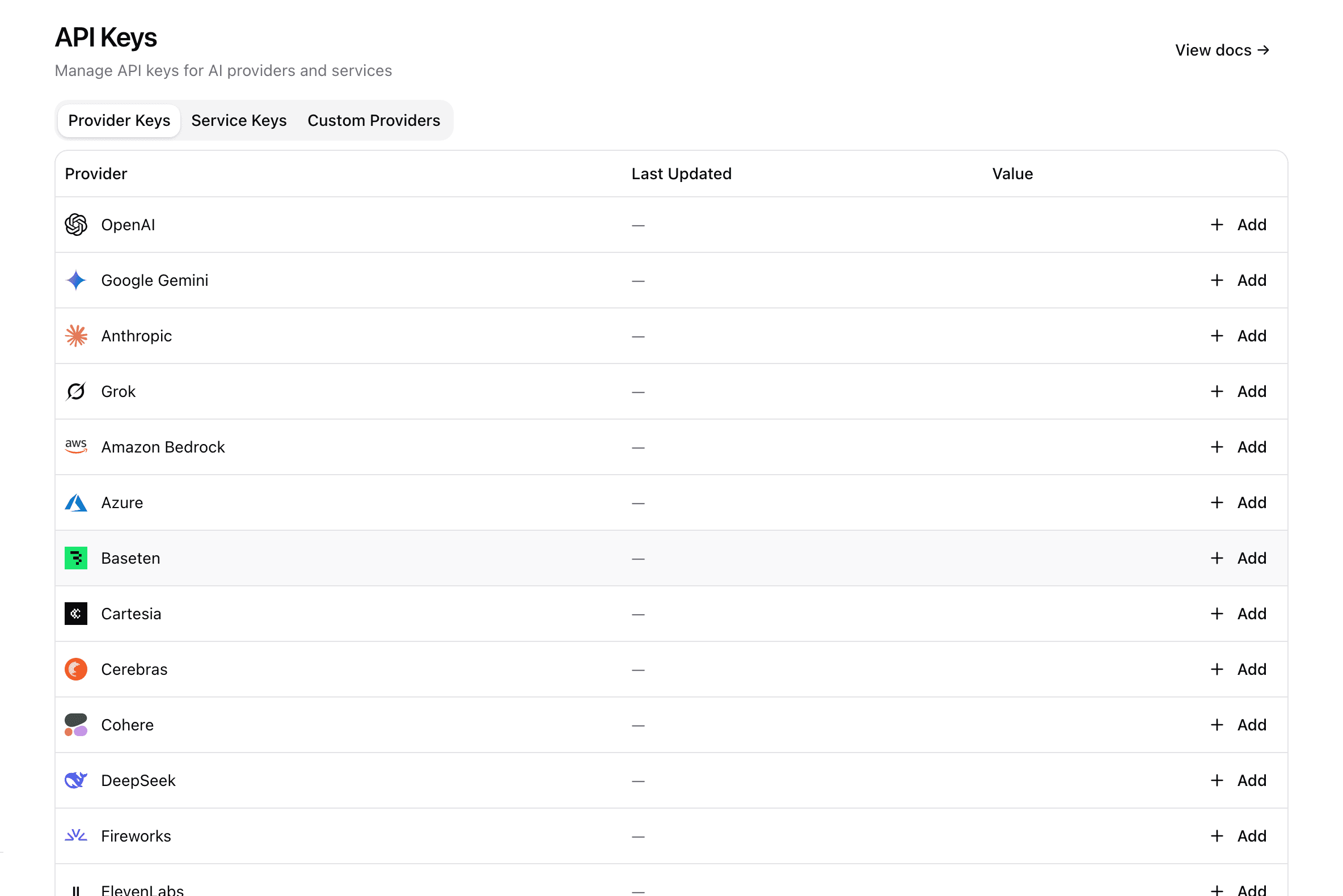
OpenAI, Gemini, Anthropic, Grok, Amazon Bedrock, Azure, and a dozen more sit in the same table. You're not signing three enterprise contracts; you're pasting API keys into one page. And because these are your keys, you're billed by each provider at their metered API rate — no markup stacked on top for the privilege of a chat window.
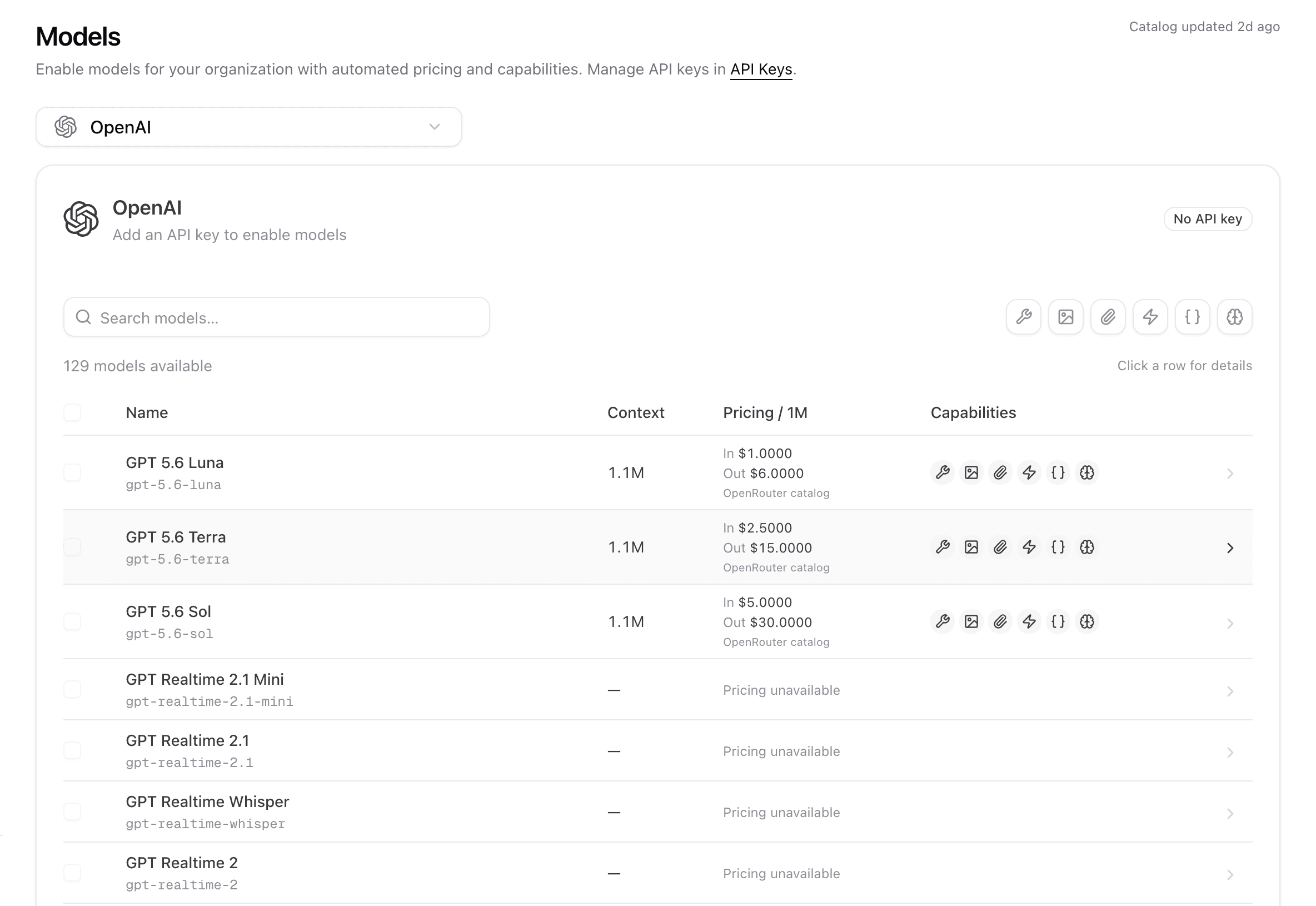
Adding a key isn't the same as turning a model loose on the org, though. Enablement is a second, deliberate step: under Admin → Models, an admin chooses exactly which models each provider exposes to the organization. Add the OpenAI key but only enable the two models you've vetted; leave the experimental ones off until you're ready.
The payoff lands exactly where the sprawl used to hurt: Alice picks Claude for the code review, Bob picks GPT for the support macro, and whoever's drafting a research doc pulls in Gemini for the long context window — same login, same billing, same audit trail, no second app to open. Three subscriptions collapse into one dropdown.
One Console, Not Three
The per-seat cost is the obvious problem. The one that actually eats your ops time is the console sprawl — three separate admin panels to configure retention in, three places to add and remove people, three dashboards to check when something looks off.
Consolidating the product consolidates the administration with it. There's a single organization dashboard: who's in the org, active sessions, storage, recent activity, and the common administrative actions — manage users, provider API keys, model configuration, branding — all reachable from one place.
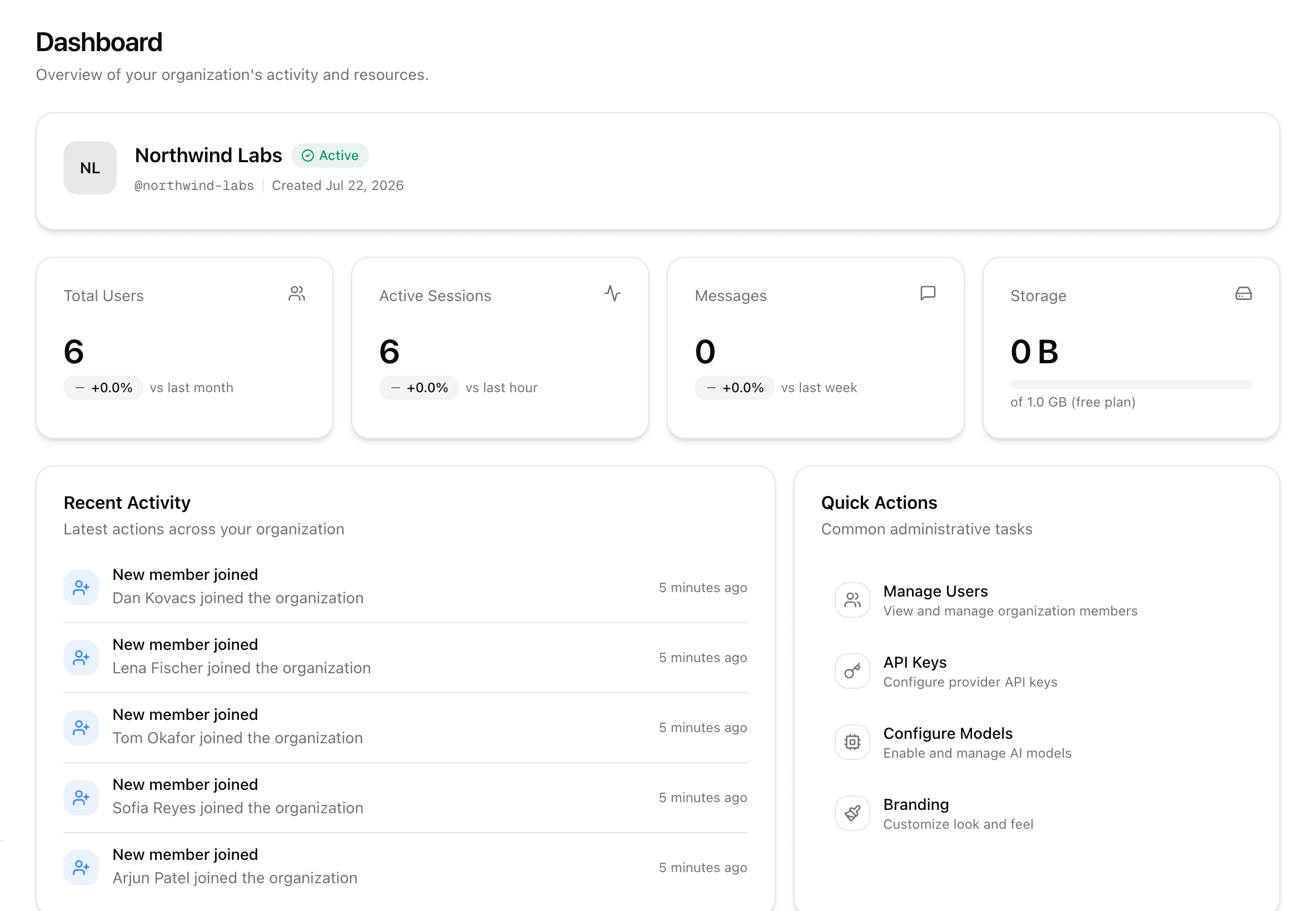
That "one place" is the difference between onboarding an engineer in a single invite and provisioning them across three vendor consoles — and, more importantly, between offboarding them cleanly and hoping you remembered all three.
The Part Nobody Budgeted For: Governance
Three vendor products means your company's AI activity is scattered across three systems of record. When a SOC 2 auditor asks "who accessed what, when," you're exporting from three dashboards and stapling them together. When someone leaves, you're revoking access in three places. When an API key gets misused, you're correlating logs across three formats.
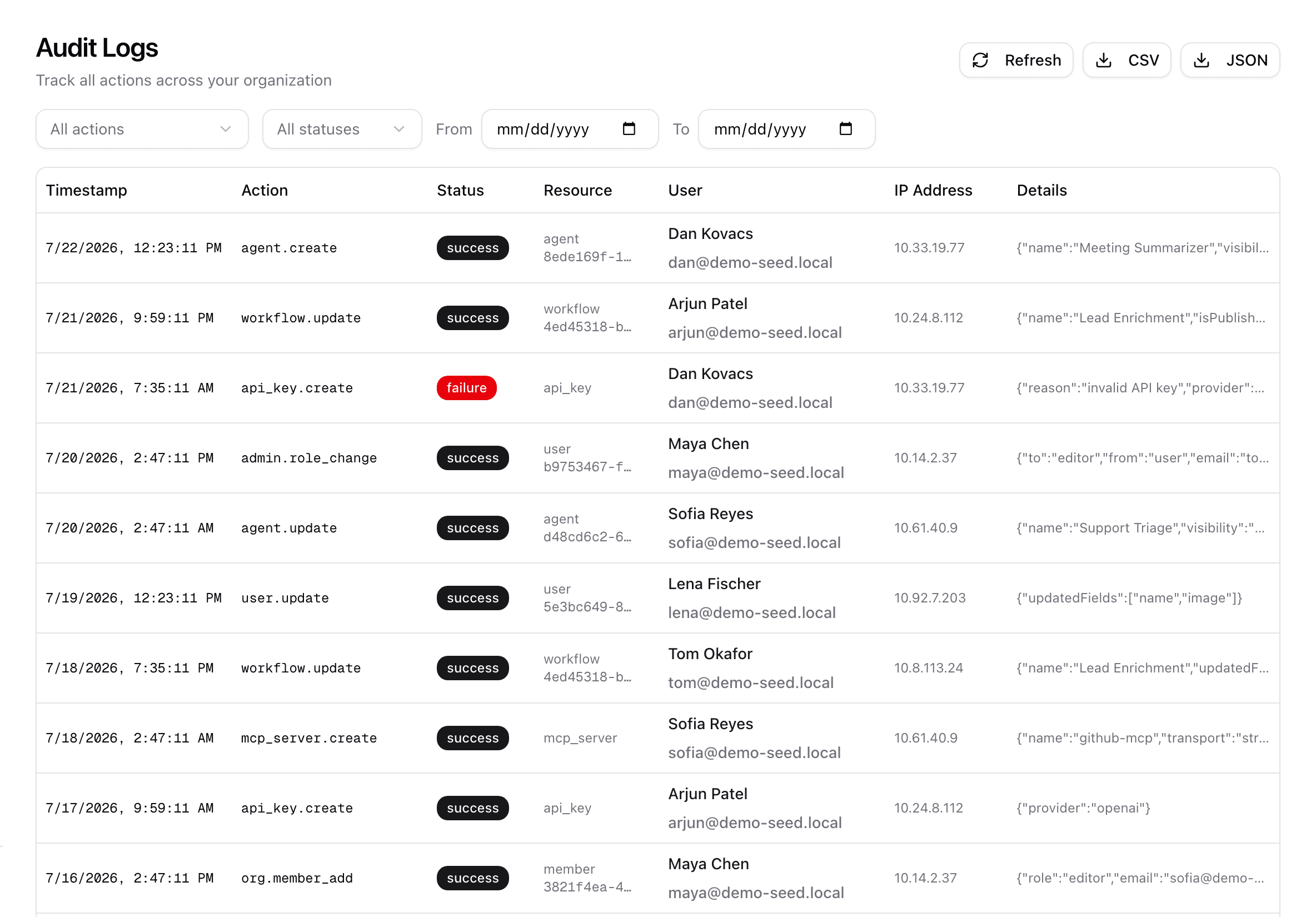
One platform means one audit log. Every consequential action — an agent created, an API key added, a role changed, an MCP server registered, a member invited — is recorded with the user, timestamp, IP address, and outcome, and it exports to CSV or JSON for whatever your compliance process actually consumes.
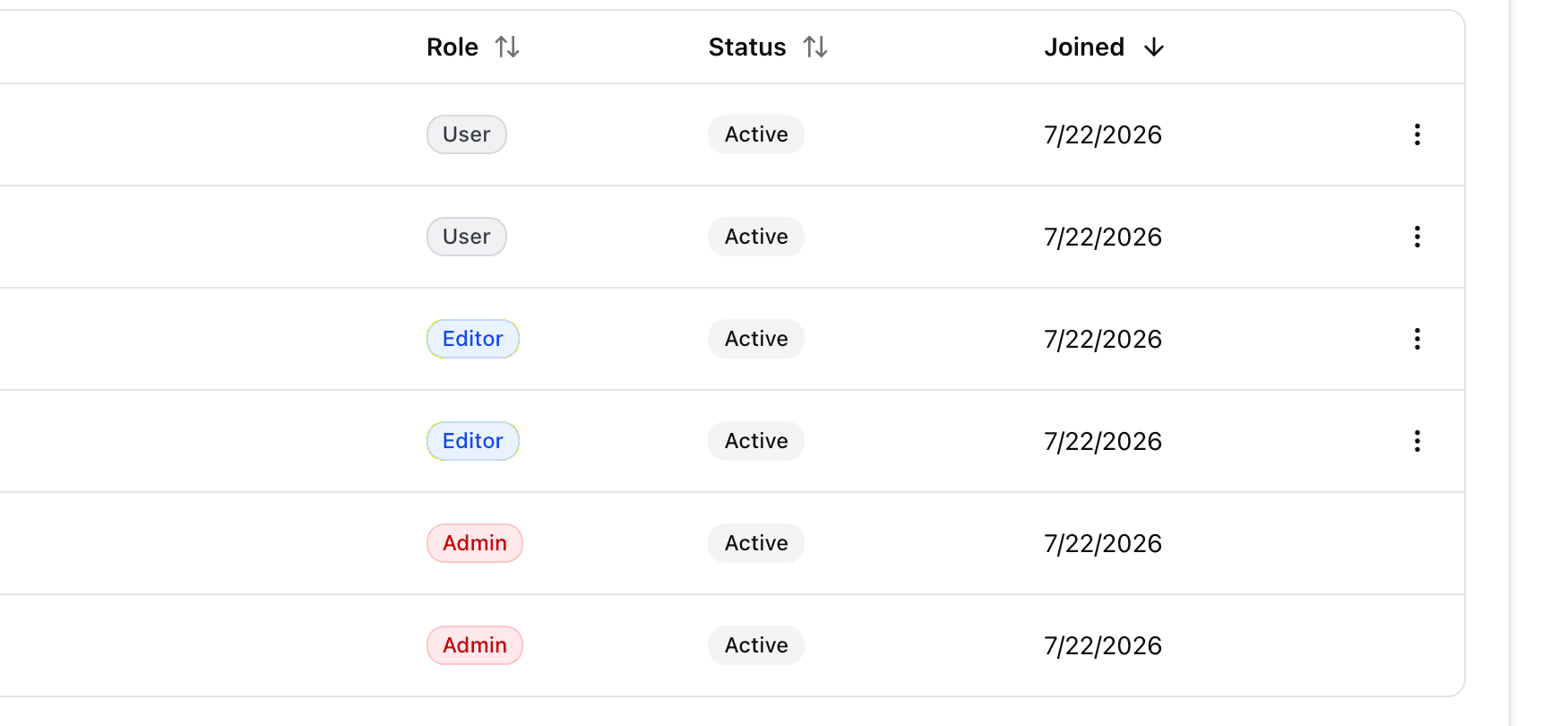
Access control lives in the same place. Every member carries an organization role — User, Editor, or Admin — so the ability to add provider keys, enable models, or manage other members is governed by one role model instead of three vendors' incompatible permission schemes. Pair that with a single SSO/SCIM configuration and the offboarding story becomes one click, not a checklist.
Who Owns the Pricing Now
There's a quieter benefit hiding in "your own API keys." When you pay per-seat to ChatGPT Enterprise or Claude Enterprise, you're locked to that vendor's roadmap and pricing for the length of the contract. When Wirebase sits in front of your own keys, an admin can flip a model on or off org-wide the moment its price moves or a better one ships — no renegotiation, no waiting out an annual term. The model catalog becomes a config change, not a procurement cycle.
To be honest about the tradeoff: this isn't free effort. Wirebase runs as a managed cloud service on every plan, so for most teams there's nothing to deploy, but there is a seat fee (free for up to 3 members, $10 per member/month on the Team plan) and a separate usage bill from every provider whose key you add. On the Enterprise plan it can also be deployed self-hosted in your own infrastructure, on request, for teams that need the platform inside their own environment. Someone owns those provider accounts: the keys, the spend, the rate limits. For a team that already holds API accounts with the major vendors, that's an afternoon. For a team that wants exactly one vendor relationship and one invoice, a single-vendor plan may still be the right call. The point isn't that this is always cheaper — it's that it changes the shape of the cost from three recurring per-seat contracts to one platform seat plus usage you pay each provider directly.
Three Vendors Becomes One Decision
The team that ends up with three AI subscriptions isn't wrong about which model is best. They're making the "which model" decision in the wrong place — at procurement time, locked in for a year — instead of per-message, by the person actually doing the work. Separate that decision from the subscription and the sprawl unwinds on its own: you still get GPT, Claude, and Gemini, just not three invoices, three consoles, and three logins to get to them.
If your team's expense report has three AI line items for one job, it's worth seeing what one platform running all three underneath looks like at wirebase.com.